
Call us now :07971258189
 Send Inquiry
 Send Inquiry
Spectrophotometer
Spectrophotometer Specification
- Application
- Qualitative & Quantitative analysis in chemical, clinical, pharmaceutical, environmental, biochemical applications
- Mounting Type
- Benchtop
- Frequency
- 50-60 Hz
- Operating Voltage
- 220 V AC 10%, 50 Hz
- Humidity
- 80% RH (non-condensing)
- Equipment Type
- Spectrophotometer
- Test Range
- 1901100 nm
- Number of Specimens
- Single or multi-position (with optional accessories)
- Interface Type
- RS232 / USB (optional)
- Power Supply
- 220 V AC, 50 Hz
- Features
- Automatic wavelength setting, wide spectral range, user calibration, data storage, easy maintenance
- Accuracy
- 0.5% T at 1A
- Max Height
- 140 mm
- Measuring Range
- 0 3.0 Absorbance
- Response Time
- Within 1 second
- Resolution
- 0.1 nm
- Automation Grade
- Semi-Automatic
- Port Size
- Standard 10 mm cuvette holder
- Temperature
- Operating: 10 to 40
- Display Type
- Digital LCD Display
- Specimen Size
- Up to 10 mm path length
- Usage
- Spectral analysis of liquid samples
- Machine Weight
- Approx. 8 kg
- Test Speed
- 500 nm / min (variable)
- Test Width
- 1 cm (standard cuvette width)
- Test Stroke
- Unlimited (continuous spectral scan)
- Control Mode
- Manual / Digital
- Memory Storage
- Up to 200 sets of data
- Bandwidth
- 2 nm
- Stray Light
- 0.05% T at 220 nm and 340 nm
- Lamp Type
- Deuterium and Tungsten Lamp
- Photometric Repeatability
- 0.15% T
- Accessories Included
- Glass and quartz cuvette set, dust cover, instruction manual
- Wavelength Repeatability
- 0.2 nm
- Printer Port
- Provided
- Baseline Flatness
- 0.002 Abs
- Sample Compartment
- Accommodates standard square cuvettes
- Photometric Accuracy
- 0.3% T
- Wavelength Accuracy
- 0.3 nm
About Spectrophotometer
Spectrophotometer
Spectrophotometer is designed for measuring the intensity of wavelengths. It is also ideal for measuring the brightness of various portions of spectra in various fields. This device has a modular design and longer functional life. Apart from this, the said product measures the transmission of visible light such as ultraviolet light. Spectrophotometer has fine finishing and attractive appearance.
Precision and Reliability
With wavelength accuracy of 0.3 nm and photometric accuracy of 0.3% T, this spectrophotometer ensures dependable and reproducible results. Its superior stray light control and baseline stability make it suitable for both qualitative and quantitative measurements across various scientific fields.
Versatile Applications
Designed for diverse analytical tasks, this device serves laboratories conducting chemical, clinical, pharmaceutical, and environmental analyses. Users benefit from semi-automatic operation, multi-position specimen capability (with optional accessories), and data management through onboard memory and printer support.
User-Friendly Design
Featuring an intuitive LCD display, automatic wavelength setting, and ergonomic sample compartment, this spectrophotometer simplifies operation. Accessories include glass and quartz cuvettes, a dust cover, and a comprehensive instruction manual for seamless instrument setup and maintenance.
FAQs of Spectrophotometer:
Q: How do I operate the spectrophotometer to perform qualitative and quantitative analyses?
A: Simply load your liquid sample into the provided cuvette, insert it into the 10 mm holder, and select your analysis type on the digital LCD panel. The device supports automatic wavelength setting, user calibration, and offers both manual and digital control for optimal flexibility during measurements.Q: What is the process for maintaining optimal measurement accuracy over multiple uses?
A: To ensure consistent accuracy, regularly clean the cuvette compartment and optical surfaces using lint-free wipes and avoid touching the cuvettes with bare hands. User calibration and periodic baseline checks, as outlined in the instruction manual, are recommended. Store the device in dry, non-condensing environments between 10C and 40C.Q: When should I use the glass cuvette versus the quartz cuvette included with the accessories?
A: Glass cuvettes are ideal for visible light measurements (above 340 nm), while quartz cuvettes are required for ultraviolet (UV) work (190340 nm). Using the appropriate cuvette ensures the highest transmission and avoids absorption artifacts in your analysis.Q: Where can data collected from the spectrophotometer be stored or exported?
A: Results can be stored directly on the device, holding up to 200 sets of data for easy retrieval. For further analysis, data can be exported to external devices using the built-in printer port or optional RS232/USB interfaces.Q: What makes this spectrophotometer beneficial for laboratory use?
A: It offers rapid test speeds, high repeatability, and a wide measuring range, excellent for routine and research applications. The memory and connectivity options enhance documentation, while automatic settings and user calibration streamline daily operations.Q: How does the automatic wavelength setting feature improve the process?
A: Automatic wavelength setting eliminates manual adjustments, reduces human error, and speeds up spectral scanning. This function greatly enhances operational efficiency during both single and multi-sample analyses.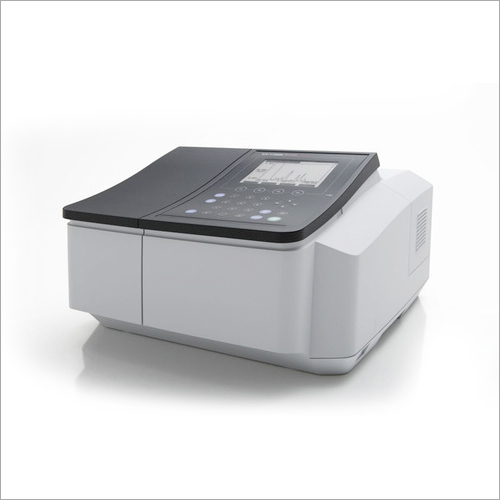
Tell us about your requirement

Price:
Quantity
Select Unit
- 50
- 100
- 200
- 250
- 500
- 1000+
Additional detail
Mobile number
Email

More Products in Testing Instruments Category
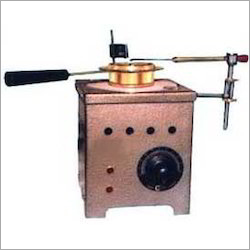
Cleaveland Flash Point and Fire Point Apparatus
Usage : Laboratory/Testing Petroleum Products
Application : Determining flash and fire points of petroleum products
Power Supply : 230 V, 50 Hz AC
Features : Heavygauge brass cup, energy regulator, high quality insulation, manual flame application, flame exposure shutter
Resolution : 1C
Response Time : Immediate (manual observation)
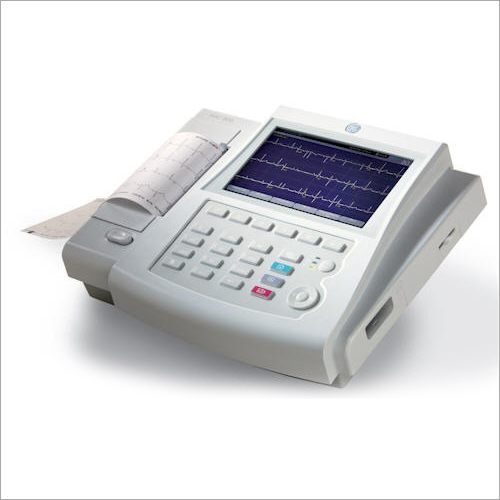
E.C.G. Machine
Usage : Hospital, Clinic, Diagnostic Center
Application : Cardiac diagnostic / Patient monitoring
Power Supply : 220V / 50Hz AC or builtin rechargeable battery
Features : Thermal printer, Digital filters, Leadoff detection, Rechargeable battery
Resolution : 12 bit
Response Time : Instant (under 2 sec)
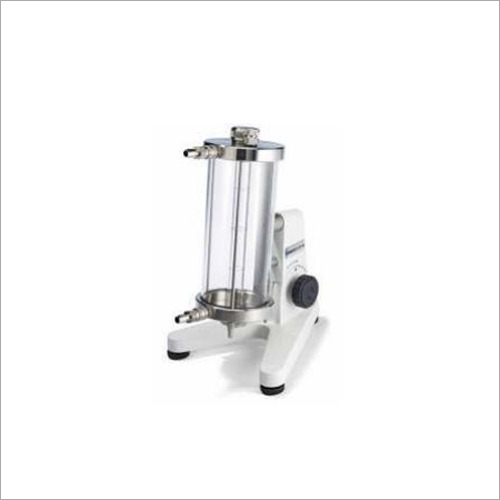
Falling Ball Viscometer
Usage : Laboratory analysis of viscosity
Application : Measurement of liquid viscosity by falling sphere method
Power Supply : Not Required (manual operation)
Features : Easy operation, corrosion resistant tube, calibrated glass balls
Resolution : 0.01 mPas
Response Time : Within 1 s (displacement detection)
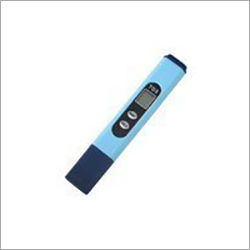
Digital TDS Meter
Usage : Measuring Total Dissolved Solids in Water
Application : Water Purity Testing
Power Supply : 2 x 1.5V LR44 Button Cell Batteries
Features : Hold Function, Automatic Temperature Compensation (ATC), Autooff, Low Battery Indicator
Resolution : 1 ppm
Response Time : < 2 Seconds

 Send Inquiry
Our Products


No-13, Post Office Lane, J.B.F. House, Ground Floor, Kalbadevi Road,Mumbai - 400002, Maharashtra, India

Mr Dharmesh
(CEO)
Mobile :07971258189
 Send Inquiry
 Send SMS
Developed and Managed by Infocom Network Private Limited.
