
Call us now :07971258189
 Send Inquiry
 Send Inquiry
Pfizer Type Tablet Hardness Tester
Pfizer Type Tablet Hardness Tester Specification
- Application
- Measuring breaking point or hardness of tablets
- Automation Grade
- Manual
- Number of Specimens
- Single tablet at a time
- Humidity
- Up to 85% RH (Non-Condensing)
- Equipment Type
- Tablet Hardness Tester
- Power Supply
- Not Required (Manual)
- Display Type
- Analog (Dial Gauge)
- Specimen Size
- Tablets up to 20 mm diameter or width
- Mounting Type
- Handheld
- Test Range
- 0 - 20 Kg
- Max Height
- Approx. 120 mm including lever
- Response Time
- Instantaneous (Manual)
- Temperature
- 10C to 40C
- Hardness
- Measures up to 20 Kg
- Resolution
- 0.1 kg
- Measuring Range
- 0-20 kg (200 N)
- Accuracy
- 0.1 kg
- Features
- Lightweight, portable, easy to handle, robust metal construction
- Usage
- Pharmaceutical laboratory, tablet production QA
- Capacity
- 20 Kg
- Machine Weight
- Approx. 1.2 kg
- Test Speed
- Manual Operation
- Test Width
- Up to 20 mm tablet diameter
- Test Stroke
- Linear, up to 40 mm
- Control Mode
- Hand Operated
- Body Material
- Stainless Steel & Aluminum Alloy
- Finish
- Powder Coated/Polished
- Compliance
- Meets pharmacopoeia standards
- Maintenance
- No special maintenance required
- Dimensions (L x W x H)
- Approx. 150 mm x 50 mm x 120 mm
- Calibration
- Adjustable, required periodically
- Packaging
- Supplied in protective box for safe transport
About Pfizer Type Tablet Hardness Tester
The Pfizer Type Tablet Hardness Tester is an industry-standard testing device used for determining the physical strength of pharmaceutical tablets and capsules. This tester measures the maximum force required to break the sample tablet, which is then expressed in kilograms (kg) or Newtons (N). This testing device is designed to ensure that the tablets and capsules meet the industry standards for hardness and can withstand the forces of packing, shipping, and consumer use. The Pfizer Type Tablet Hardness Tester is typically used in the production of pharmaceuticals and is used as a way to ensure the quality and safety of the medication.Accurate and Reliable Tablet Testing
Engineered for precision, the Pfizer Type Tablet Hardness Tester delivers consistent and reliable results every time. Its mechanical operation ensures accurate readings when measuring the hardness or breaking point of single tablets up to 20 mm diameter. With a robust metal construction and compliance to pharmacopoeia standards, it is the dependable choice for pharmaceutical professionals seeking trustworthy quality control.
Convenient Manual Operation and Portability
Designed for maximum convenience, this tester operates entirely by handrequiring no external power source. Weighing approximately 1.2 kg and with a compact form factor, it is effortless to carry and store. Its straightforward operation is ideal for pharmaceutical laboratories and tablet manufacturing quality assurance, offering quick and effective results at any time needed.
Maintenance-Free and Durable Construction
Thanks to its high-quality stainless steel and aluminum alloy build, the tester boasts exceptional durability and longevity. No special maintenance is neededsimply periodic calibration to maintain peak accuracy. The powder-coated or polished finish adds to its resilience while the supplied protective box ensures it remains in optimum condition during transport and storage.
FAQs of Pfizer Type Tablet Hardness Tester:
Q: How does the Pfizer Type Tablet Hardness Tester operate?
A: It operates manually by pressing a tablet between two jaws using a hand lever until the tablet breaks. The breaking force, indicating tablet hardness, is instantly displayed on the analog dial gauge.Q: What types of tablets can be tested with this device?
A: The tester is designed for single tablets up to 20 mm in diameter or width, making it suitable for most standard pharmaceutical tablets used in laboratories and production quality assurance.Q: When should calibration be carried out for the tester?
A: Calibration should be performed periodically as part of your routine quality control procedures to ensure the device maintains its 0.1 kg accuracy. The frequency depends on usage intensity and regulatory requirements.Q: Where is the Pfizer Type Tablet Hardness Tester typically used?
A: It is primarily used in pharmaceutical laboratories and tablet manufacturing quality assurance departments, both for routine production testing and regulatory compliance verification.Q: What is the process for measuring tablet hardness with this tester?
A: Simply place a single tablet between the jaws, apply pressure using the hand-operated lever, and read the breaking point directly from the analog dial gauge once the tablet fractures.Q: Does the tester require a power supply to function?
A: No power supply is needed. The tester is entirely manual, allowing for independent operation without batteries or electrical connections.Q: What are the main benefits of using this hardness tester?
A: Key benefits include its lightweight, portability, robust construction, and adherence to pharmacopoeia standards. It offers high measurement accuracy and is easy to operate without requiring special maintenance.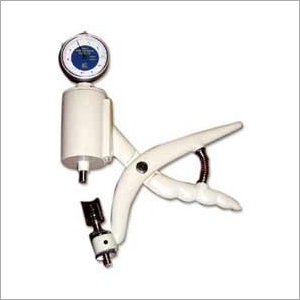
Tell us about your requirement

Price:
Quantity
Select Unit
- 50
- 100
- 200
- 250
- 500
- 1000+
Additional detail
Mobile number
Email

More Products in Testing Instruments Category
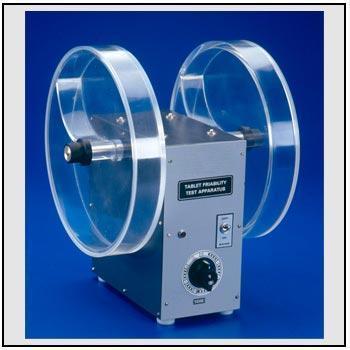
DIGITAL FRIABILITY TEST APPARATUS
Application : Tablet/Capsule Friability Testing
Usage : Pharmaceutical Laboratory Testing
Features : Programmable Timer, Automatic drum stop, Audible alarm on test completion
Automation Grade : Automatic
Control Mode : Digital Microprocessor Based
Humidity : Ambient or as per test condition
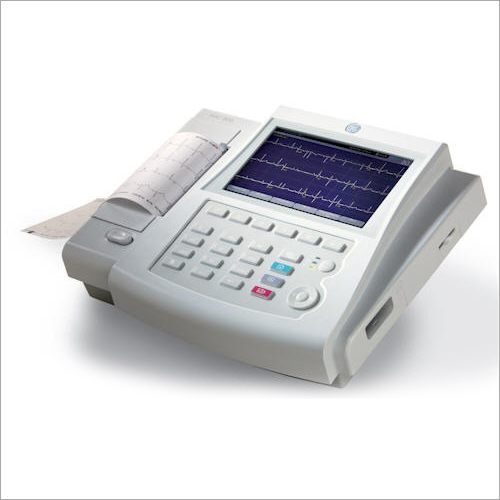
E.C.G. Machine
Application : Cardiac diagnostic / Patient monitoring
Usage : Hospital, Clinic, Diagnostic Center
Features : Thermal printer, Digital filters, Leadoff detection, Rechargeable battery
Automation Grade : SemiAutomatic
Control Mode : Manual / Auto
Humidity : 80% RH
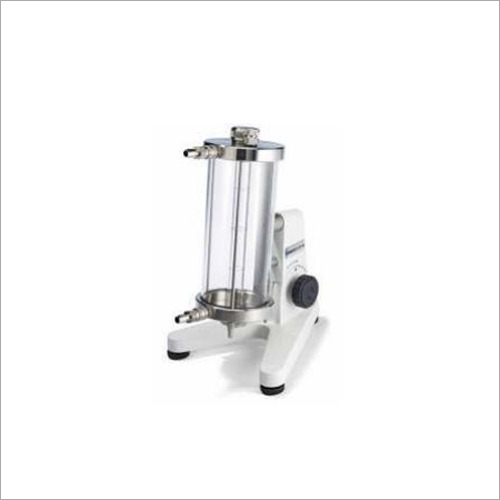
Falling Ball Viscometer
Application : Measurement of liquid viscosity by falling sphere method
Usage : Laboratory analysis of viscosity
Features : Easy operation, corrosion resistant tube, calibrated glass balls
Automation Grade : Manual
Control Mode : Manual
Humidity : Up to 90% RH noncondensing
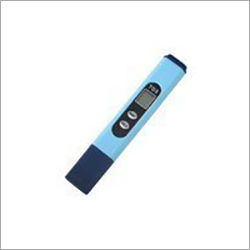
Digital TDS Meter
Application : Water Purity Testing
Usage : Measuring Total Dissolved Solids in Water
Features : Hold Function, Automatic Temperature Compensation (ATC), Autooff, Low Battery Indicator
Automation Grade : Manual
Control Mode : Manual
Humidity : < 80% RH

 Send Inquiry
Our Products


No-13, Post Office Lane, J.B.F. House, Ground Floor, Kalbadevi Road,Mumbai - 400002, Maharashtra, India

Mr Dharmesh
(CEO)
Mobile :07971258189
 Send Inquiry
 Send SMS
 Call Me Free
Developed and Managed by Infocom Network Private Limited.
