
Call us now :07971258189
 Send Inquiry
 Send Inquiry
Sherrington Rotating Drum
MOQ : 1 Unit
Sherrington Rotating Drum Specification
- Material
- Powder-coated Mild Steel, Aluminium
- Condition
- New
- Technology
- Manual Rotating Drum
- Portable
- Yes
- Disposable
- No
- Wall Mounted
- No
- Measurement
- Cylinder Circumference: 40 cm, Width: 30 cm
- Real-Time Operation
- No
- Operating Type
- Manual
- Noise Level
- Low
- Size
- Approx. 40 x 30 x 35 cm (L x W x H)
- Weight
- Approx. 15 kg
- Color
- Grey / Silver (Finish depends on powder coating)
- Attributes
- Non-corrosive, Durable, Simple Maintenance
- Usage
- Neuroscience Laboratory Nerve Conduction Studies, Muscle Physiology Experiments
- Application
- Demonstration and Recording of Muscle/Nerve Response
- Drum Type
- Cylindrical, Removable
- Drive Mechanism
- Smooth Manual Handle
- Attachment Options
- Includes Rods and Clamps for Experiment Setup
- Drum Rotation Speed
- Adjustable (typically 2-40 rpm)
- Marking Trays
- Provided for Kymograph Drum Paper
- Base
- Sturdy, Anti-skid Rubber Feet
Sherrington Rotating Drum Trade Information
- Minimum Order Quantity
- 1 Unit
- Supply Ability
- 1 Unit Per Day
- Delivery Time
- 1 Week
- Main Export Market(s)
- Australia, North America, South America, Eastern Europe, Western Europe, Middle East, Africa, Central America, Asia
- Main Domestic Market
- All India
About Sherrington Rotating Drum
Sherrington Rotating Drum
Riding on unfathomable volumes of industrial expertise, we are engaged in offering an excellent assortment of Sherrington Rotating Drum. This rotating drum is tested in terms of quality for assuring its excellence. Our given rotating drum is manufactured by our competent workforce utilizing well-tested material and sophisticated technology following the set norms of industry. In addition, the offered rotating drum is high on demand in the market for its superior quality.
Features:
- Compact and sleek
- Excellent performance
- Sturdy construction
Additional Information:
- Pay Mode Terms: T/T (Bank Transfer)
Precise Experimentation for Neuroscience
The Sherrington Rotating Drum enables accurate demonstration and recording of nerve conduction and muscle physiology. Its manual operation allows for full control over drum rotation speed, ensuring tailored experimental conditions. The sturdy, anti-skid base guarantees stable placement, while the powder-coated finish protects against corrosion and simplifies maintenance, making it a dependable tool for repeated use in laboratory environments.
User-Friendly Design Enhances Convenience
Featuring a removable cylindrical drum and easily adjustable speed control, the device prioritizes ease of use. The inclusion of marking trays, rods, and clamps allows for flexible setup of kymograph paper and experimental samples. Its compact, portable structure and low noise emissions make it suitable for both teaching and research labs, maintaining an efficient and distraction-free workspace.
FAQs of Sherrington Rotating Drum:
Q: How does the Sherrington Rotating Drum operate for muscle and nerve studies?
A: The Sherrington Rotating Drum is operated manually using a smooth handle, allowing users to adjust the drums rotation speed from 2 to 40 rpm. This movement creates a recording surface for kymograph paper, making it possible to document muscle contraction and nerve conduction responses during laboratory experiments.Q: What experimental setups are supported by the included attachments?
A: The drum comes with marking trays, rods, and clamps, which make it easy to mount and secure kymograph paper and experimental samples. These attachments help in various configurations required for muscle physiology and neuroscience experiments.Q: When is the manual rotating drum preferred over automated alternatives?
A: Manual rotating drums are preferred in educational settings, or where direct control and observation of experiment dynamics are needed. The hands-on approach facilitates learning and troubleshooting, while also providing tactile feedback that automated systems may lack.Q: Where can this rotating drum be used most effectively?
A: It is designed primarily for neuroscience laboratories, especially those focused on nerve conduction and muscle physiology. Its portability and sturdy build make it suitable for use in research institutions, universities, and teaching laboratories.Q: What is the process for mounting and recording with the drum?
A: First, mount the kymograph paper onto the cylindrical drum using the provided marking trays. Secure the experimental sample and any necessary sensors with the rods and clamps. Rotate the drum manually at the desired speed to record responses as the experiment proceeds.Q: What are the key benefits of using this product in the lab?
A: Key benefits include adjustable, precise speed control, durability due to powder-coated and non-corrosive materials, low noise operation, and a simple, user-friendly setup. Its portability and stable anti-skid design also contribute to reliable, repeatable results in various laboratory settings.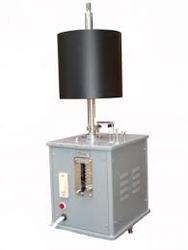
Tell us about your requirement

Price:
Quantity
Select Unit
- 50
- 100
- 200
- 250
- 500
- 1000+
Additional detail
Mobile number
Email

More Products in Laboratory Equipment Category
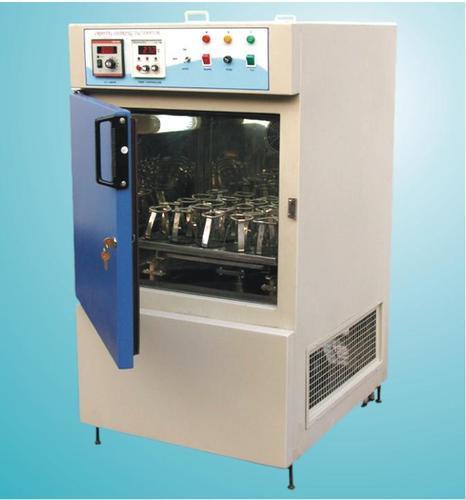
Orbital Shaking Incubator
Minimum Order Quantity : 100 Pieces
Technology : Other, Microprocessor Controlled
Usage : Laboratory Application, Microbiology, Biotechnology
Size : Chamber sizes: 250 x 250 x 250 mm / 450 x 450 x 450 mm (customizable)
Disposable : No
Color : White & Blue
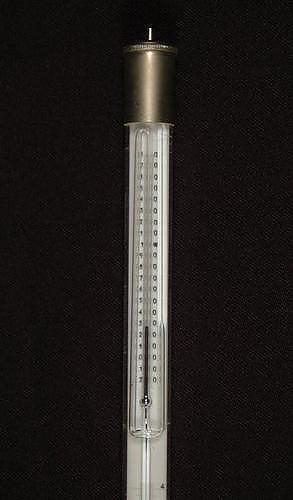
Beckmann Thermometers
Minimum Order Quantity : 1 Unit
Technology : Other, Mercuryfilled or Spiritfilled
Usage : Laboratory, Industrial, and Research
Size : Standard laboratory lengths (150 mm 300 mm)
Disposable : No
Color : Transparent with colored scale markings
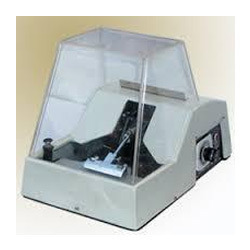
Automatic Razor Sharpener
Minimum Order Quantity : 100 Pieces
Technology : Other, Automatic Sharpening
Usage : For sharpening razor blades
Size : Approx. 200mm x 80mm x 100mm
Disposable : No
Color : Black & Silver
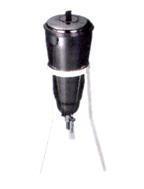
Conical Percolator
Technology : Other, Manual Filtration
Usage : Laboratory filtration and extraction
Size : Available in various capacities (common sizes: 100ml, 250ml, 500ml, 1000ml)
Disposable : No
Color : Transparent

 Send Inquiry
Our Products


No-13, Post Office Lane, J.B.F. House, Ground Floor, Kalbadevi Road,Mumbai - 400002, Maharashtra, India

Mr Dharmesh
(CEO)
Mobile :07971258189
 Send Inquiry
 Send SMS
Developed and Managed by Infocom Network Private Limited.
