
Call us now :07971258189
 Send Inquiry
 Send Inquiry
Pharmaceutical Lab Instrument
Pharmaceutical Lab Instrument Specification
- Features
- High accuracy, robust construction, programmable settings
- Temperature
- 5C to 60C
- Phase
- Single Phase
- Usage & Applications
- Laboratory testing and analysis
- Noise Level
- <65 dB
- Frequency
- 50 Hz
- Type
- Pharmaceutical Lab Instrument
- Material
- Stainless Steel
- Capacity
- 5 Liters
- Computerized
- Yes
- Control Mode
- Digital/Automatic
- Voltage
- 220 V
- Power
- 500 W
- Weight (kg)
- 60 kg
- Dimension (L*W*H)
- 800 mm x 600 mm x 900 mm
- Color
- Silver/Grey
- Application Fields
- Pharmaceutical, Biomedical, Chemical laboratories
- Data Interface
- USB & RS232
- Sample Capacity
- Up to 10 samples simultaneously
- Power Supply
- AC mains
- Ambient Operating Temperature
- 10C to 40C
- Display Type
- LCD digital
- Calibration
- Auto-calibration function
- Storage Condition
- Ambient
- Maintenance
- Low
- Input Method
- Touch screen panel
- Humidity Range
- 10%90% RH
- Installation Type
- Benchtop
- Safety Features
- Overload protection, Emergency stop button
About Pharmaceutical Lab Instrument
A pharmaceutical lab instrument is any device used in a laboratory setting for the purpose of testing and analyzing pharmaceutical products, such as medications, vaccines, and other drugs. These instruments can range from simple devices like microscopes and centrifuges to complex machinery such as chromatographs, spectrophotometers, and mass spectrometers. They are used to measure the purity, potency, and safety of different pharmaceutical products, as well as to identify the active ingredients in the products. Pharmaceutical lab instruments are essential for ensuring the quality of drugs and other medications, and are an important part of the pharmaceutical industry.Advanced Digital Control and Data Management
This instrument incorporates a digital LCD display and an intuitive touch screen panel for precise operation and effortless control. Compatibility with USB and RS232 data interfaces allows for straightforward data transfer and storage, supporting modern laboratory workflows effectively.
Safety and Reliability Features
Overload protection and an emergency stop button safeguard users and samples, making it suitable for continuous operation in busy laboratory settings. Its robust stainless steel construction and auto-calibration contribute to the instruments reliability and longevity.
Versatile Applications and Sample Handling
Designed for pharmaceutical, biomedical, and chemical analysis, the instrument can process up to 10 samples concurrently with high accuracy. Its programmable settings and broad ambient operating range (10C to 40C) offer unmatched flexibility for various laboratory environments.
FAQs of Pharmaceutical Lab Instrument:
Q: How does the auto-calibration function benefit laboratory testing?
A: The auto-calibration feature ensures consistent measurement accuracy by automatically adjusting the instrument to stable reference standards, reducing human error and minimizing downtime during routine calibration tasks.Q: What is the process for loading and analyzing samples on the instrument?
A: Samples are placed in the designated holders within the 5-liter chamber. The touch screen panel is then used to select programmable settings. Up to 10 samples can be processed simultaneously, with results displayed on the LCD panel and stored via USB or RS232 interfaces.Q: When are the safety features, such as overload protection and emergency stop, activated?
A: Overload protection automatically engages if the instrument detects excessive force or electrical load, preventing damage. The emergency stop button can be pressed at any time during operation to immediately halt all functions for user safety.Q: Where is this pharmaceutical lab instrument best installed for optimal use?
A: Its benchtop design makes it ideal for placement in standard laboratory environments, including pharmaceutical, biomedical, and chemical labs. The instrument requires an ambient operating temperature between 10C and 40C and single-phase AC mains power supply.Q: What advantages does computerized digital control offer over manual operation?
A: Digital and automatic control streamlines workflows, allowing users to efficiently program and execute tests with minimal manual intervention. This reduces errors, enhances repeatability, and enables advanced data management through the integrated interfaces.Q: How is maintenance managed for the instrument, considering its robust design?
A: Routine maintenance requirements are minimal due to the stainless steel construction and low-noise operation. Users should periodically check device calibration and ensure storage at ambient conditions to maintain optimal performance.Q: What fields and applications can benefit from using this instrument?
A: Pharmaceutical, biomedical, and chemical laboratories utilize this instrument for precise laboratory testing and analysis, benefiting from its versatility, high accuracy, and robust programmable features.
Tell us about your requirement

Price:
Quantity
Select Unit
- 50
- 100
- 200
- 250
- 500
- 1000+
Additional detail
Mobile number
Email

More Products in Pharmacy Lab Equipment Category

Pharmacy Lab Instrument
Color : White/Silver
Material : Stainless Steel
Usage & Applications : Pharmaceutical Laboratory Testing and Research
Computerized : No
Phase : Single Phase
Features : Robust Construction, Corrosion Resistant, Easy to Clean
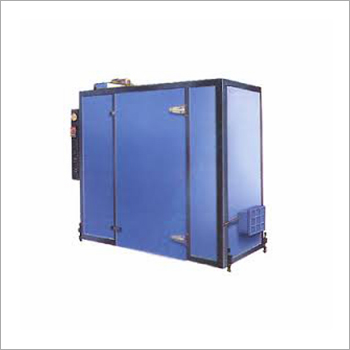
Bottle Dryer
Color : Silver with Blue Accents
Material : Stainless Steel & Mild Steel
Usage & Applications : Drying washed bottles in pharmaceutical, beverage, and food industries
Computerized : No
Phase : Single or Three Phase
Features : High drying efficiency, robust construction, adjustable bottle holders, minimal maintenance
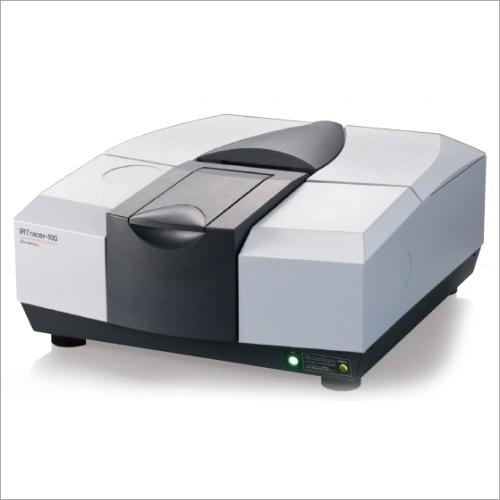
Fourier Transformed Infrared Spectrophotometer
Color : White and Black
Material : HighQuality Plastic and Metal Parts
Usage & Applications : Material Analysis Chemical Identification Quality Testing
Computerized : Yes
Phase : Single Phase
Features : Fourier Transform Infrared Spectroscopy High Precision Reliable Performance
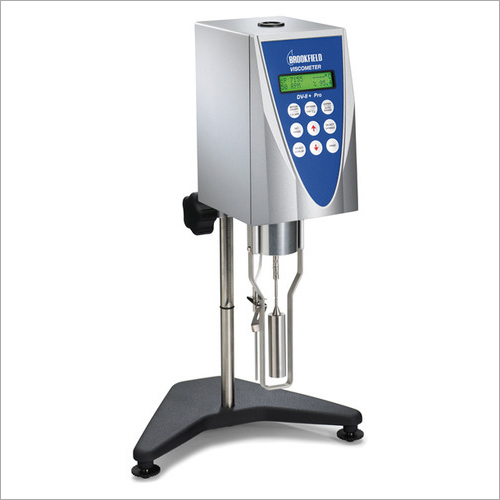
Brookfield Viscometer
Color : Silver and Blue
Material : Stainless Steel
Usage & Applications : Used for measuring fluid viscosity
Computerized : Yes
Phase : Single Phase
Features : Precise viscosity measurement Digital display

 Send Inquiry
Our Products


No-13, Post Office Lane, J.B.F. House, Ground Floor, Kalbadevi Road,Mumbai - 400002, Maharashtra, India

Mr Dharmesh
(CEO)
Mobile :07971258189
 Send Inquiry
 Send SMS
Developed and Managed by Infocom Network Private Limited.
