
Call us now :07971258189
 Send Inquiry
 Send Inquiry
Organ Bath
MOQ : 100 Pieces
Organ Bath Specification
- Material
- Stainless Steel tank, Perspex tissue chamber
- Condition
- New
- Technology
- Mechanical and Electrical
- Portable
- Bench-top
- Disposable
- No
- Wall Mounted
- No
- Air Pressure
- Adjustable via aerator
- Display Type
- Analog scale
- Sensor
- Isometric/Isotonic force transducer (optional)
- Internal Memory
- No
- Measurement
- Muscle contractions
- Data Transmission Mode
- Manual recording or data acquisition system compatible
- Synchronize With
- Data recording system (optional)
- Real-Time Operation
- Manual and timer operated
- Operating Type
- Manual/Electric
- Noise Level
- Low
- Power Source
- Mains electricity
- Power Consumption
- Low (approx. 20-40W)
- Voltage
- 220-240V AC, 50Hz
- Light
- No in-built light
- Size
- Tank: approx. 12 x 9 x 8 (LxWxH)
- Weight
- Approx. 8-12 kg
- Color
- Steel/silver with transparent chambers
- Attributes
- Dual channel, adjustable temperature, air supply regulator
- Usage
- Pharmacology, Physiology experiments
- Compatibility
- Suitable for frog, guinea pig, rat tissue preparations
- Aeration
- Provided through stainless steel aerator
- Accessories Included
- Aerator, tissue holder, electrical stimulator leads
- Bath Capacity
- Single or double chamber configuration (as per model)
- Tissue Holder
- Stainless steel lever with adjustable tension
- Temperature Control
- Thermostatic temperature control, range: ambient to 50°C
- Safety Features
- Overheat protection, fuse protection
- Drainage System
- Built-in stopcock for quick drainage
Organ Bath Trade Information
- Minimum Order Quantity
- 100 Pieces
- Supply Ability
- 10 Pieces Per Week
- Delivery Time
- 1 Week
- Main Export Market(s)
- Australia, North America, Eastern Europe, Middle East, Africa, Western Europe, South America, Asia, Central America
- Main Domestic Market
- All India
Organ Bath About
Organ Bath also known as isolated tissue bath that is commonly used in physiology applications to maintain the integrity of muscles within a controlled environment. It is designed and developed as per the laboratory standards that result in high working efficiency. It is installed with a simple interface control panel to easily set operational parameters. The offered Organ Bath requires a standardized alternating voltage of 220 to 240 volts with a frequency of 50 to 60 Hertz for efficient and controlled functioning.Dual Chamber Versatility for Precise Experimentation
Choose between single or double chamber configurations to suit your laboratory requirements. Each chamber is crafted with a transparent Perspex tissue chamber for clear observation and a stainless steel tank for durability. This versatility allows for parallel experiments or side-by-side comparative studies, enhancing efficiency in pharmacological and physiological research.
Reliable Temperature and Air Control
With thermostatic control ranging from ambient to 50C, temperature is precisely maintained to ensure stable experimental conditions throughout the process. An adjustable stainless steel aerator provides consistent aeration tailored to the tissue preparation, supporting optimal physiological responses and viability.
Comprehensive Safety and Easy Maintenance
Built-in overheat protection, fuse protection, and a low-noise operation ensure safety and comfort in the lab. The drainage system features a built-in stopcock for fast, hassle-free cleaning and maintenance. This careful design supports long-term reliable operation, making it a dependable choice for teaching and research.
FAQs of Organ Bath:
Q: How does the organ bath system maintain a constant temperature during experiments?
A: The device employs a thermostatic temperature control system, allowing you to set and maintain your desired temperature from ambient up to 50C. This ensures tissue viability and experimental consistency throughout your study.Q: What tissue types can be used with this organ bath?
A: The organ bath is compatible with preparations from frog, guinea pig, and rat tissues, making it suitable for a variety of pharmacological and physiological investigations.Q: When should I use the single or double chamber configuration?
A: The single chamber is ideal for focused experiments or limited sample availability, while the double chamber allows parallel experiments or comparative studies for increased throughput and efficiency.Q: Where is the drainage system located and how is maintenance performed?
A: A built-in stopcock in the tank allows for quick and easy drainage of fluids after experiments. Regular cleaning is recommended to preserve the integrity of both the tissue chamber and tank.Q: What benefits does the built-in safety system provide?
A: The overheat protection and fuse ensure the device remains safe during operation, preventing damage to tissues and apparatus, and minimizing laboratory hazards.Q: How is air supplied and regulated within the bath chambers?
A: Aeration is provided via a stainless steel aerator. Air pressure can be adjusted according to the requirements of your tissue sample, promoting optimal physiological function during experiments.Q: What measurement and recording systems are supported?
A: The organ bath supports muscle contraction measurement using optional isometric or isotonic force transducers. It is compatible with manual recording or external data acquisition systems, ensuring flexibility for laboratory data management.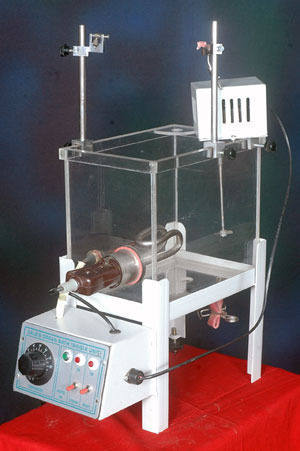
Tell us about your requirement

Price:
Quantity
Select Unit
- 50
- 100
- 200
- 250
- 500
- 1000+
Additional detail
Mobile number
Email

More Products in Laboratory Equipment Category
Fluid Bed Dryer
Disposable : No
Portable : Other, Optional on Castor Wheels
Attributes : Other, High Efficiency, Uniform Drying, GMP Model
Condition : New
Usage : Granulation, Drying of Pharmaceuticals, Chemicals, Food
Grinding Mill
Minimum Order Quantity : 100 Pieces
Disposable : No
Portable : No
Attributes : Other, High Efficiency, Robust Construction, Low Maintenance
Condition : New
Usage : Grinding, Pulverizing, and Milling of Various Materials
Water Still
Disposable : No
Portable : No
Attributes : Other, Corrosionresistant, Durable, Easy Cleaning
Condition : New
Usage : Laboratory Water Distillation
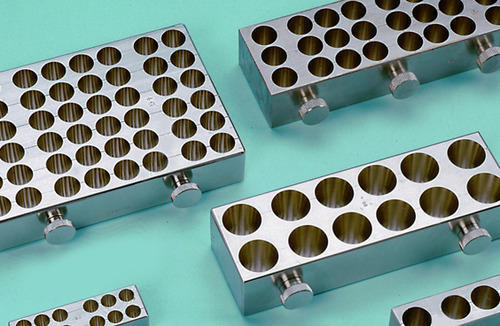
Suppository Moulds
Minimum Order Quantity : 1 Unit
Disposable : No
Portable : Yes
Attributes : Other, Reusable, Easy to clean, Precision construction
Condition : New
Usage : Pharmaceutical formulation of suppositories

 Send Inquiry
Our Products


No-13, Post Office Lane, J.B.F. House, Ground Floor, Kalbadevi Road,Mumbai - 400002, Maharashtra, India

Mr Dharmesh
(CEO)
Mobile :07971258189
 Send Inquiry
 Send SMS
 Call Me Free
Developed and Managed by Infocom Network Private Limited.
